

28 Jan Why Dallas Is Winning the Corporate Talent Market: Inside Tanya Ragan’s Conversation with SMU Cox MBA Students
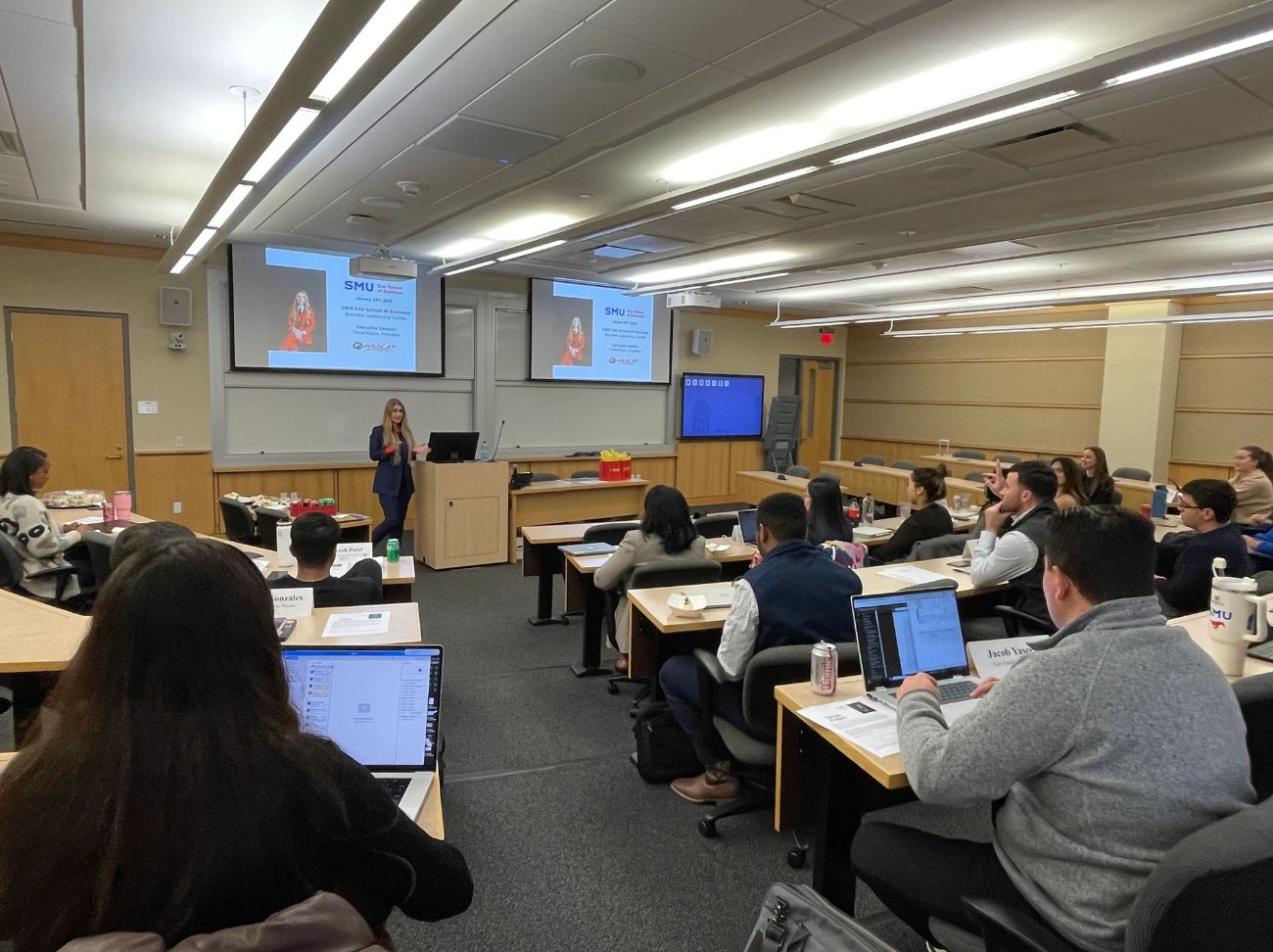
Dallas is not just attracting companies. It is attracting the people who build them. The region’s surge in corporate relocations, entrepreneurial activity, and commercial real estate investment is tied to a deeper shift in how talent is being developed and mentored. That shift was on full display this week at the SMU Cox School of Business, where Wildcat Management President Tanya Ragan spoke with MBA students about the realities of commercial real estate dealmaking, risk, and leadership.
Ragan’s session offered something students rarely receive in traditional business programs. Instead of case studies, they heard directly from an operator who is actively shaping the Dallas market. This type of access is becoming a defining advantage for the Sunbelt economy, where mentorship and real‑world exposure are accelerating the talent pipeline.
“Authenticity, preparation, and presence are strategic advantages,” Ragan told the group. “Dallas succeeds because our business community invests in real relationships, real mentorship, and real opportunities. That is what creates long‑term leaders and long‑term deal flow.”
A Region Defined by Inbound Talent
Texas continues to lead the nation in inbound migration, and Dallas Fort Worth remains one of the fastest‑growing major metros for young professionals. Companies cite access to skilled talent, affordability, and proximity to high‑growth industries as primary reasons for relocating or expanding in the region.
This demographic momentum is reshaping the commercial real estate landscape. Sunbelt markets are outperforming coastal markets due to sustained population inflows, business‑friendly regulations, and strong demand for centrally located assets. For students entering the workforce, this means more opportunity, more mobility, and more exposure to high‑impact projects early in their careers.
Mentorship as a Competitive Advantage
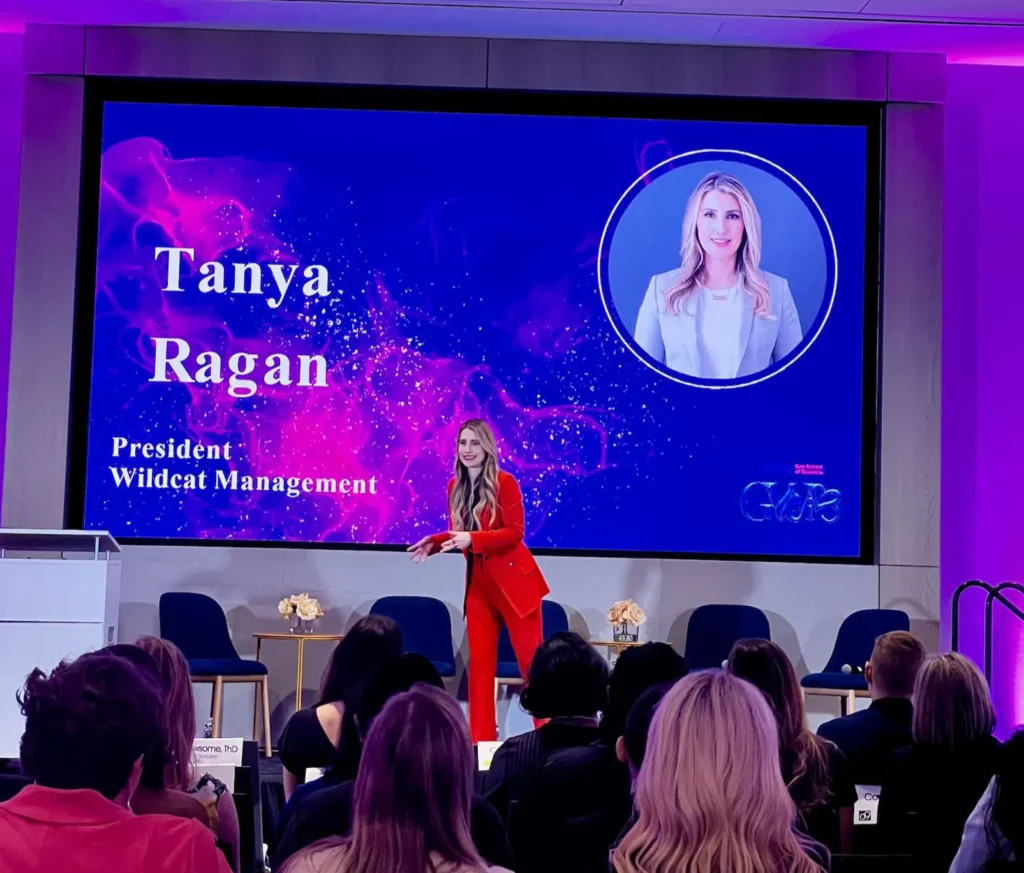
Ragan emphasized that mentorship is not an optional add‑on. It is a direct pathway to hiring, leadership development, and long‑term deal flow. SMU Cox is emerging as a quiet accelerator of this model by connecting students with executives who are actively engaged in the region’s growth.
This operator‑driven approach gives students a clearer understanding of how deals are sourced, how risk is evaluated, and how relationships shape outcomes. It also reflects the broader culture of Dallas, where collaboration between business leaders, universities, and civic partners fuels economic momentum.
A Model for the Future of Business Education
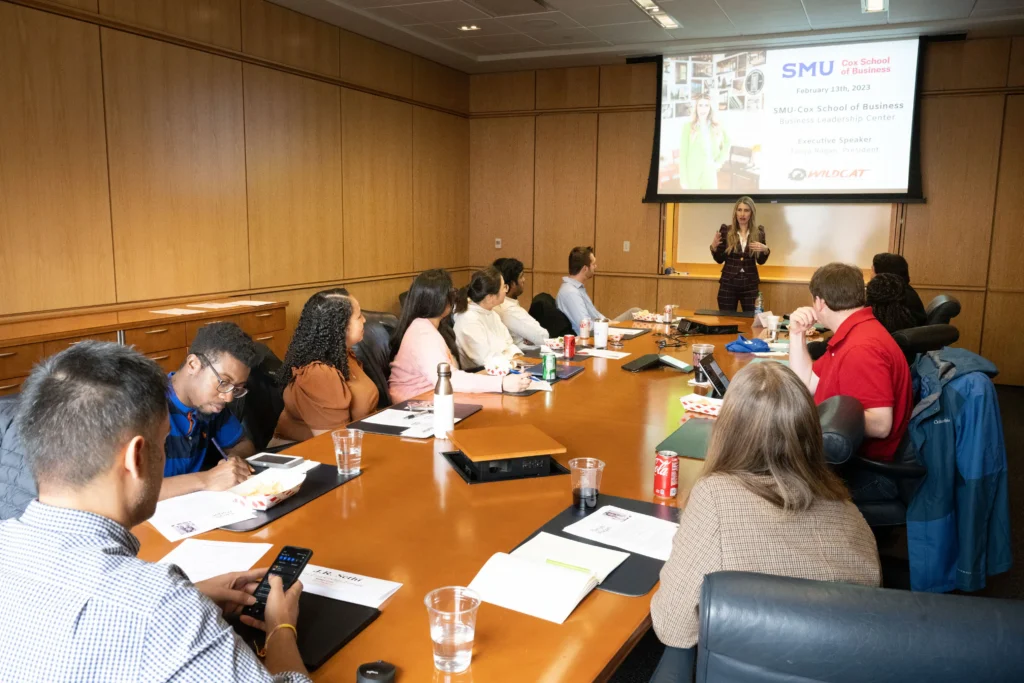
Ragan’s talk highlighted a shift that is becoming increasingly important for business schools nationwide. Students want practical insight, not just theory. They want to learn from people who are in the market, not just teaching about it. Dallas is delivering that access, and it is one of the reasons the region continues to outperform in both talent attraction and corporate investment.
As Dallas continues to attract top talent and corporate investment, leaders who combine practical experience with a commitment to mentorship will shape the region’s next decade of growth. Ragan’s work at Wildcat Management and her engagement with institutions like SMU Cox demonstrate how operator‑driven leadership is redefining the Sunbelt economy and setting a new standard for business education nationwide.