21 Nov Dallas Is Becoming Texas Wall Street, What That Really Means for Business and Real Estate
Corporate relocations, finance jobs and record development are turning Dallas into a financial and corporate powerhouse, while projects like The Purse Building and 1823 Cadiz show how local owners are leaning into that momentum.
Dallas is not a locals only market anymore, it is global.
Every week there is another headline about companies moving to North Texas, Wall Street firms expanding in Dallas and a new wave of people and capital choosing this region over traditional coastal hubs. Commentators have started calling it Texas Wall Street.
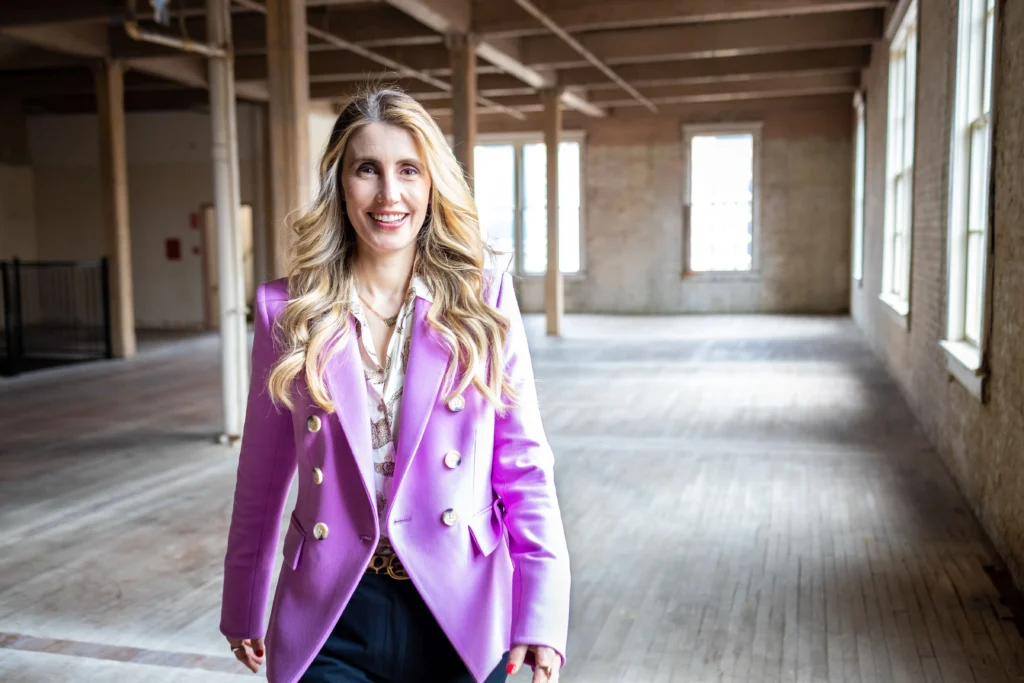
From my vantage point as President of Wildcat Management, a Dallas based strategic real estate investor and North Texas urban developer, that label is not just a catchy phrase. For nearly twenty years I have specialized in transforming undervalued urban properties into high performing, community enhancing investments across Dallas and the broader Texas region. I see the shift in real time, not on a chart.
Here is how I read the story behind the headlines, and what it means for the future of downtown and North Texas.
Financial migration and the rise of “Texas Wall Street”
Texas is no longer just a place for back-office operations. It is building its own financial ecosystem.
Dallas is attracting a growing share of finance jobs, trading operations and related professional services because we offer something powerful in combination. A central location, a business-friendly climate, lower costs for employers and employees, and a lifestyle that appeals to both young talent and seasoned executives.
There are serious efforts underway to build Texas based trading infrastructure and exchanges that call Dallas home. When capital markets infrastructure, major banks and talent all begin to cluster in one region, you have the makings of a true financial center, not just a satellite of New York.
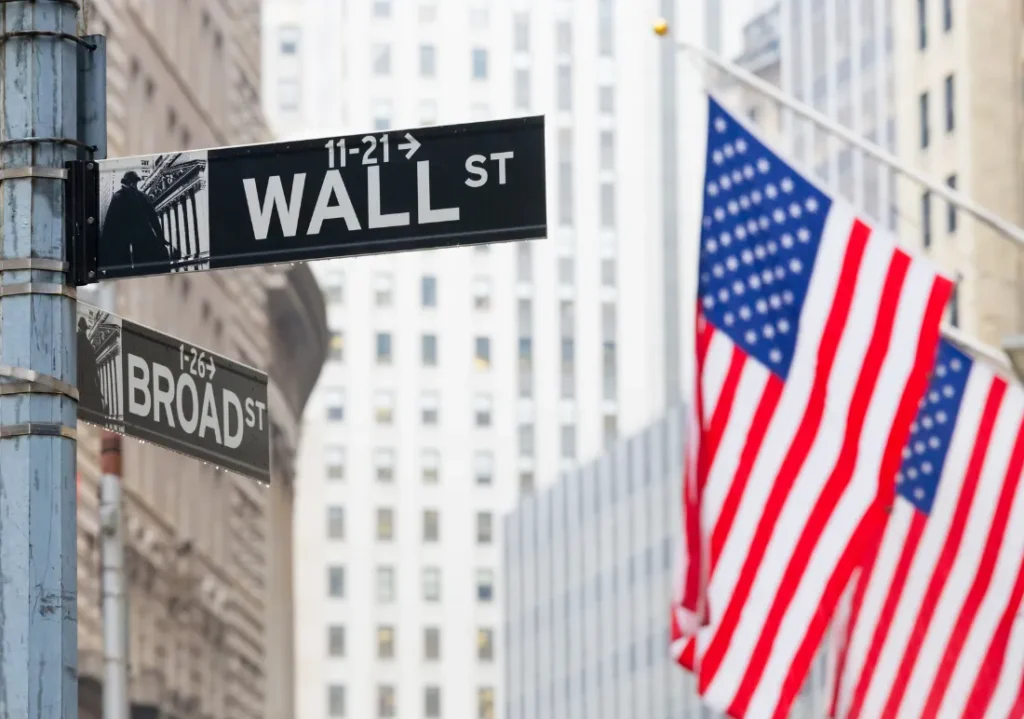
Corporate relocations are outpacing the rest of the country
Dallas Fort Worth has been leading the nation in new corporate headquarters. Between 2018 and 2024, our region attracted around one hundred new HQs, more than any other United States metro during that time.
These are not just small private firms. Household name companies have chosen to base leadership here, move significant functions or quietly reorient their growth plans around Texas.
When headquarters relocate, everything changes. Board meetings happen here. Executive teams live here. Philanthropic giving supports local institutions. Office demand grows in a different pattern. Decisions that used to be made in another time zone are now being made in North Texas.
Legacy coastal hubs are losing ground
New York and San Francisco remain important, but the balance is shifting.
High taxes, regulatory complexity and quality of life concerns have pushed companies to reconsider long ties to traditional hubs. Several companies relocated their headquarters completely. Others quietly shifted thousands of jobs and critical functions to markets like Dallas where they can still attract talent and plan long term.
In practical terms that means executives and employees who used to assume they had to live on the coast can now build careers in Dallas without sacrificing ambition. For the city that translates into a deeper pool of decision makers who are physically present and invested in local outcomes.
Major financial institutions are making long term bets
The most visible proof of this shift is what major financial institutions are building here.
Goldman Sachs is investing roughly half a billion dollars in a new downtown Dallas campus that is expected to house up to five thousand employees. Bank of America is moving into a new tower. Firms like JPMorgan Chase and Charles Schwab have scaled their Texas headcounts into the tens of thousands.
You do not commit to ground up campuses of that size and cost unless you believe a market is a long-term anchor for your business. These projects are physical votes of confidence in Dallas as a financial center that will matter a decade from now, not just a place to find short-term savings.
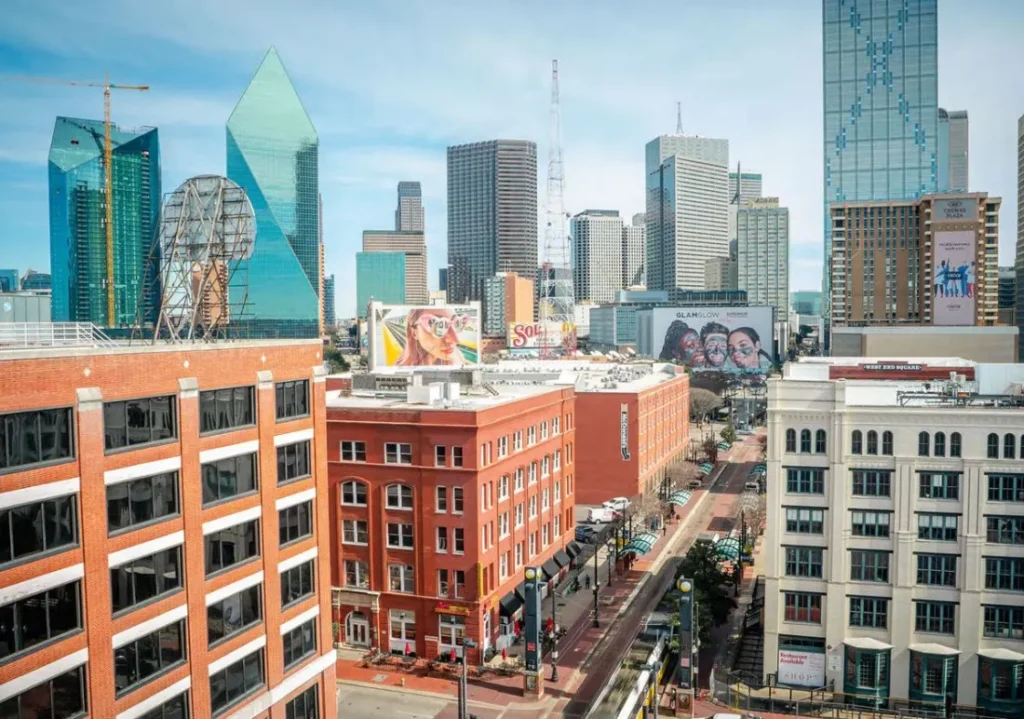
Real estate leadership has turned Dallas into an investment magnet
Corporate relocations and finance jobs show up very quickly in real estate.
Dallas Fort Worth has been ranked number one in the United States for real estate development over the past decade, across office, industrial and residential product. National surveys of investors and developers consistently place this region near the top of markets to watch for future opportunities.
For downtown that translates into:
- Strong demand for well-located office and mixed-use projects
- Continued industrial and logistics expansion across the region
- New residential and hospitality development that supports population and visitor growth
The new convention center is a good example of how public investment and private confidence connect. The Kay Bailey Hutchison Convention Center Dallas is in the middle of a multibillion-dollar overhaul, with hundreds of thousands of square feet of exhibit, meeting and ballroom space scheduled to come online in 2029 and dozens of conventions already booked years in advance. Owners and investors are positioning assets around it now because they understand how powerful that catalyst will be.
How Wildcat’s projects fit into the Texas Wall Street story
Wildcat Management is not just observing this shift. We are operating inside it.
Earlier in my career, I was a driving force behind the turnaround of the Dallas Farmers Market neighborhood. Working with a coalition of partners, we helped privatize the city owned market, attracted roughly four hundred million dollars in new development, and increased the number of residents by nearly eight hundred percent, so that the area now represents about one third of the downtown Dallas population. That work helped earn me the unofficial title of Downtown Dallas champion and showed what can happen when you bet on the urban core before the crowd shows up.
Today, two of our key assets speak directly to the Texas Wall Street moment.
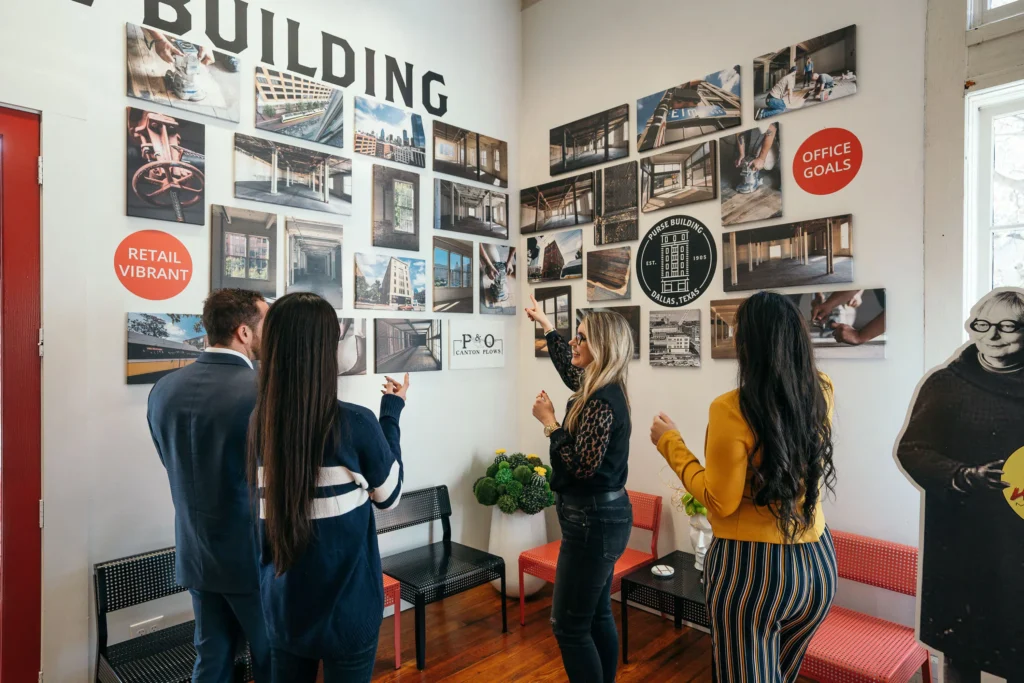
At The Purse Building at 601 Elm Street in the Government District , we restored a 65,000 square foot landmark that once served as a federal and FBI facility and repositioned it for modern tenants who value both character and connectivity. Purse sits within blocks of the planned Goldman Sachs campus, the new 2.5 million square foot Dallas convention center, Dallas College investments and major mixed-use projects. For a corporate user or financial firm that wants a “we have arrived” downtown address, this building provides exactly that.
At 1823 Cadiz Street, we control a rare three quarter block development site near the Convention Center District. The site is directly in the path of the convention center redevelopment, future Reunion area plans, and the rumored site of the Dallas Mavericks[MM1] new stadium with immediate access to all major interstates. It is the kind of location that can attract hospitality, office, residential or mixed-use concepts that want to be at the center of Dallas growth.
These are just two examples of how local owners like Wildcat are aligning our investments with the larger Texas Wall Street momentum. We are betting on downtown Dallas as the natural home for many of the companies and financial institutions that are now choosing North Texas.
What this means for the next chapter
Texas is one of the strongest performing real estate markets in the United States, driven by job growth, corporate relocations, a pro-business climate and steady population increase. True value lies in knowing where and how to invest inside that bigger story.
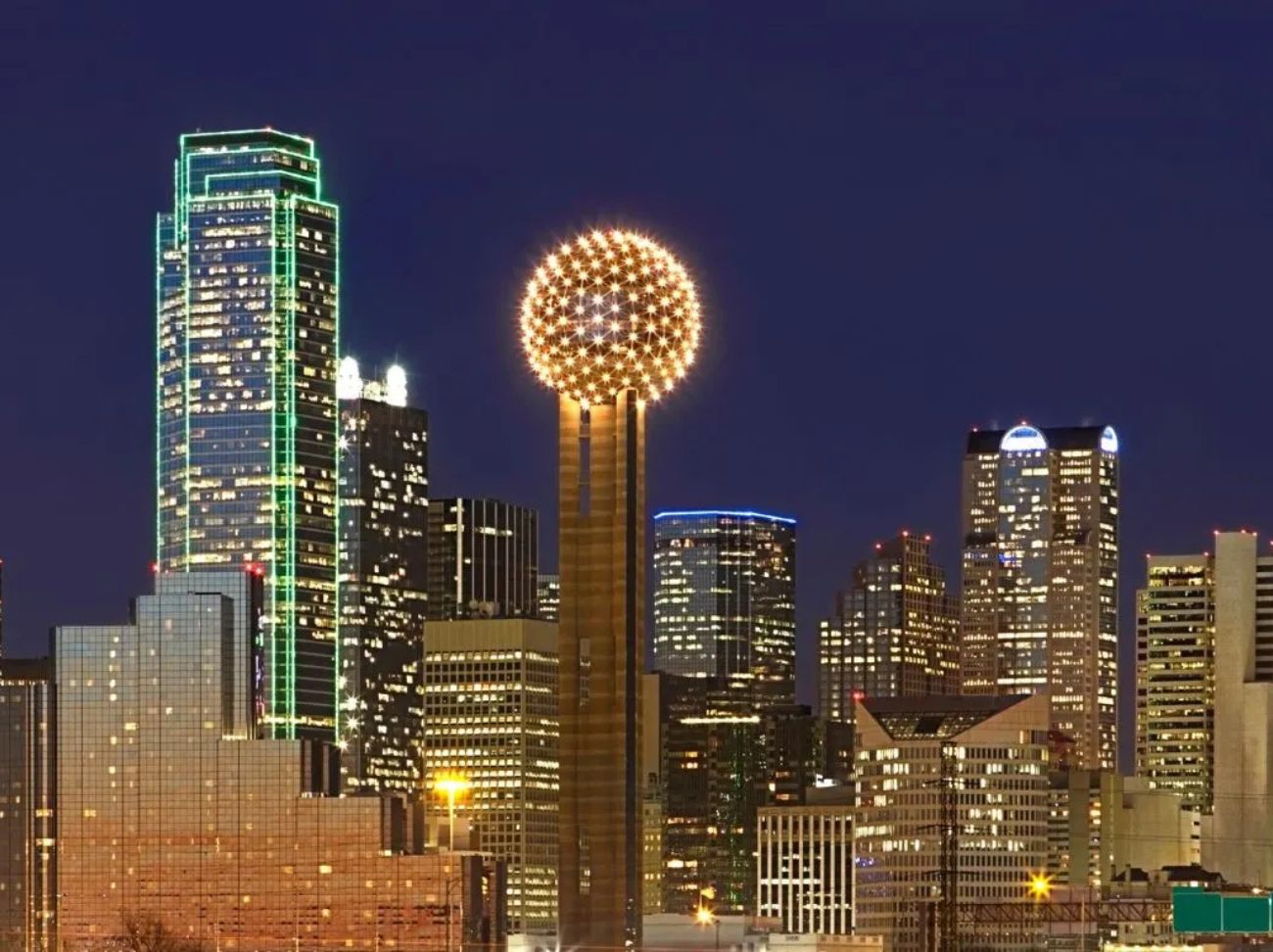
Dallas and North Texas are emerging as a financial and corporate powerhouse. That momentum is real, and it is reshaping everything from hiring patterns to skyline views.
The opportunity now is to guide this growth in a way that strengthens our urban core, and creates lasting value for residents, businesses and investors.
For my part, I will continue to do what I have done for more than twenty years in Dallas. Invest in places with a story. Lead projects from acquisition through renovation, leasing and long-term asset management. Focus on outcomes that benefit investors, tenants and the surrounding community.
Texas Wall Street is not just a headline here. It is the daily reality of the city I am proud to call home and the market where Wildcat Management continues to put our capital to work.