09 Apr The Land and the People: A 100-Year Homestead and a Man Named Bud
The Mansfield Series — Part 2
In Part 1, I shared how relationships shaped my connection to this side of Mansfield.
But relationships alone do not define a place.
The land does.
The people who care for it do.
And the daily rhythms that repeat year after year are what give a place its identity.
That is where Bud comes in.
Bud is still here. Still working the land. Still doing what he has done for years.
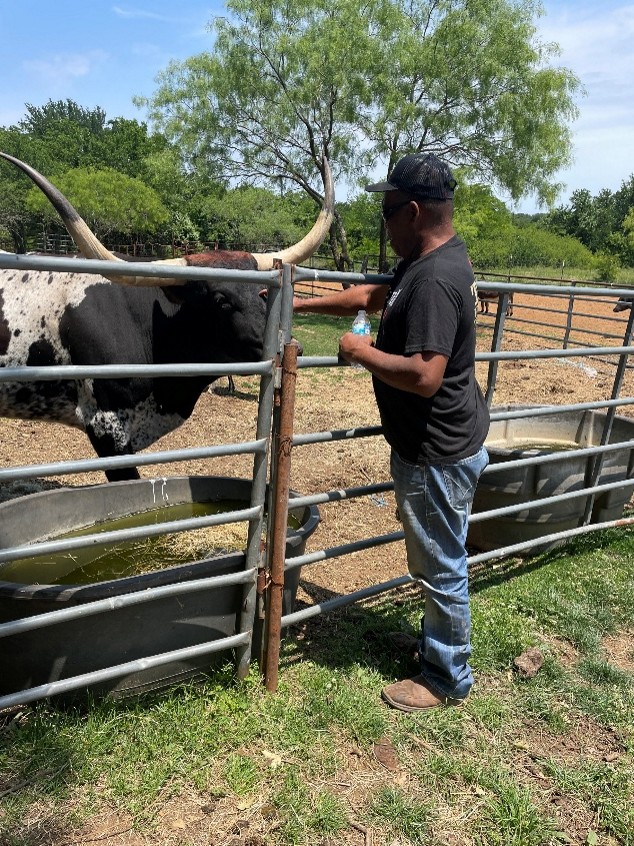
Bud is not a symbol of ranching. He is a real cowboy who still works the land every day.
Most people around here know exactly who you mean when you say his name. You do not need a last name. You just say Bud, and people understand.
He grew up in this neighborhood. His roots are here. Long before roads improved and neighborhoods filled in, this land was already part of daily life.
And Bud was part of that life.
He built his reputation through hard work, first locally, then nationally. Bud became the first Black man to win the National Calf Roping Championship at the National Rodeo. Around here, that achievement carries pride, but what stands out most is consistency.
Bud is a real-life cowboy. A working rancher. A mentor to young riders who spend hours learning discipline, patience, and respect under his guidance.
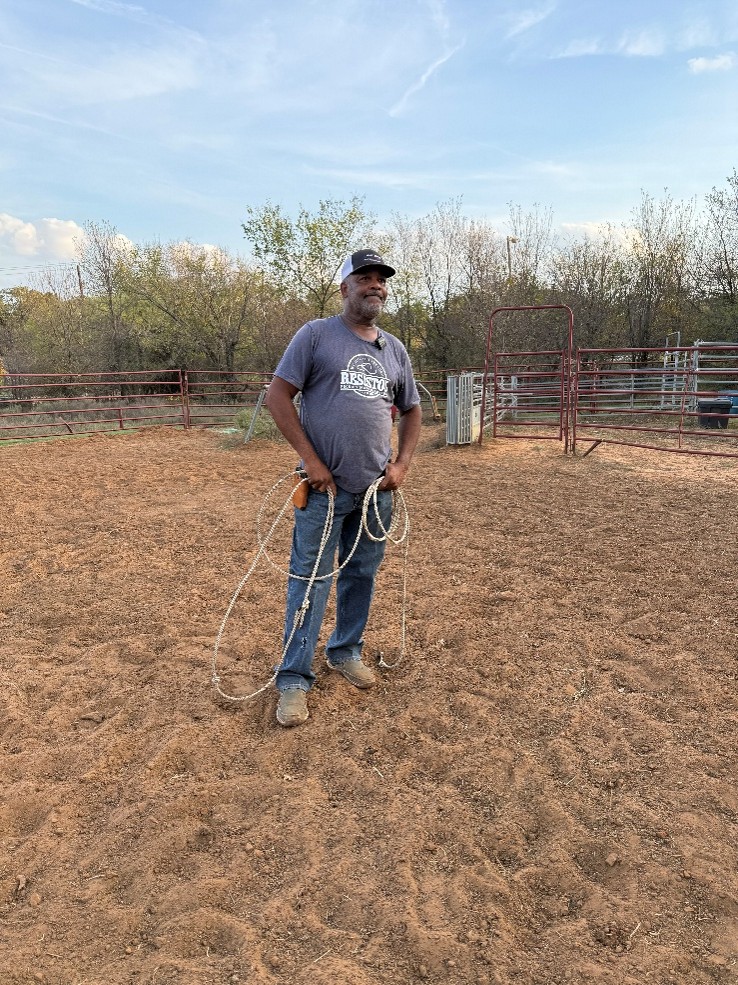
For nearly as long as I have owned this property, Bud has ranched here.
Not occasionally.
Not as a hobby.
But as daily work.
Even now, when I walk the property, I see horses moving across pasture lines and hear familiar sounds. Trailers pulling in. Gates opening and closing. Animals shifting in the distance.
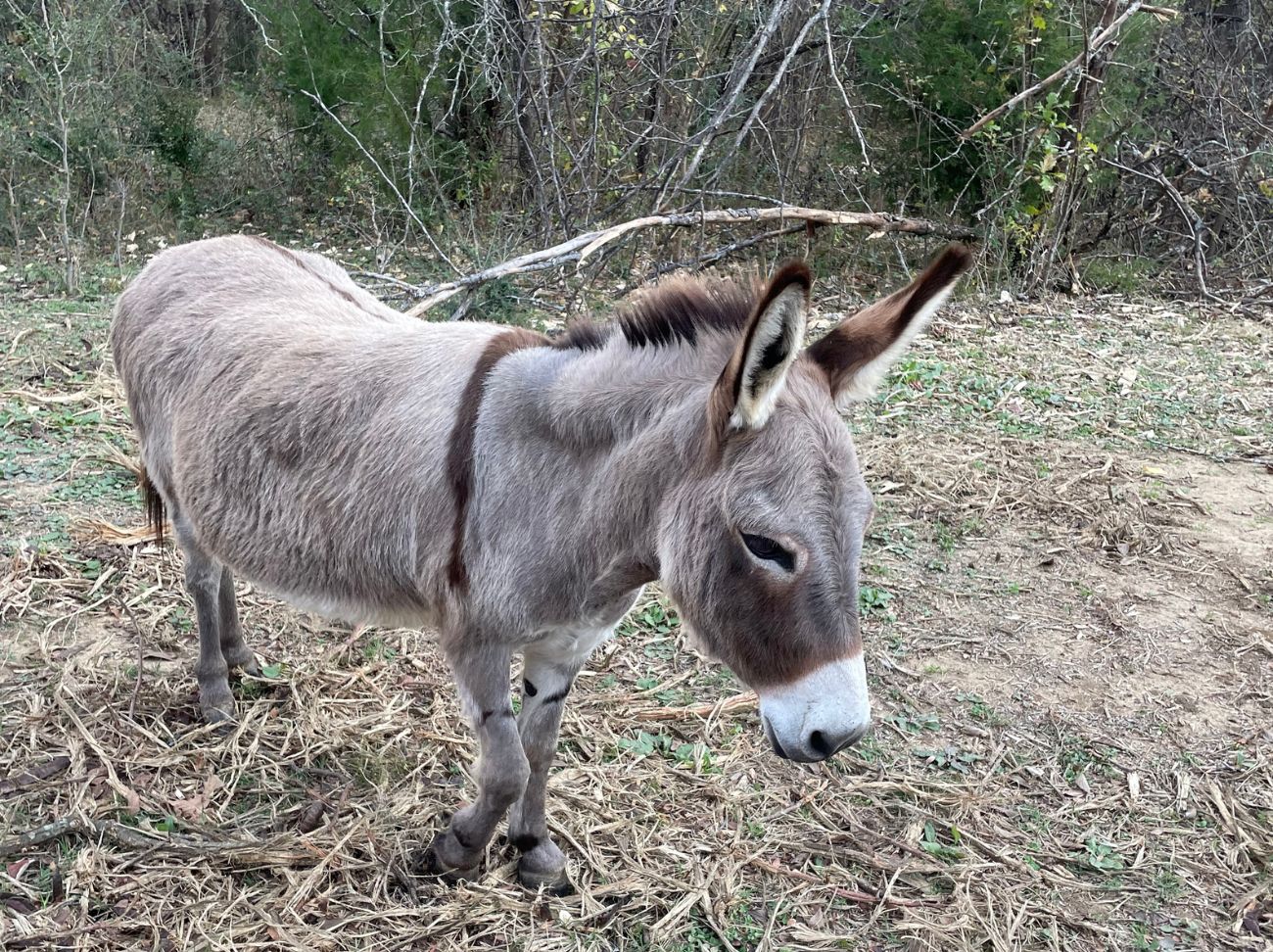
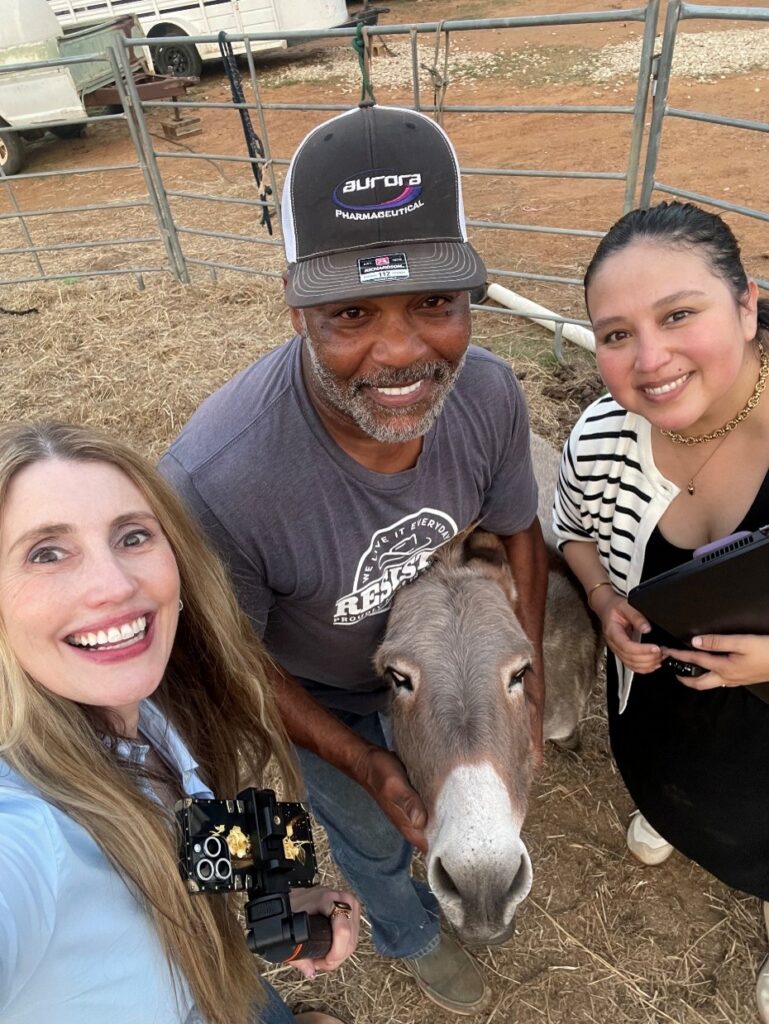
There is a steer named Pit Man who has become a favorite among visitors. A donkey named Tanya arrived with that name long before I met her.
Those details matter.
They remind me that this land has never been idle.
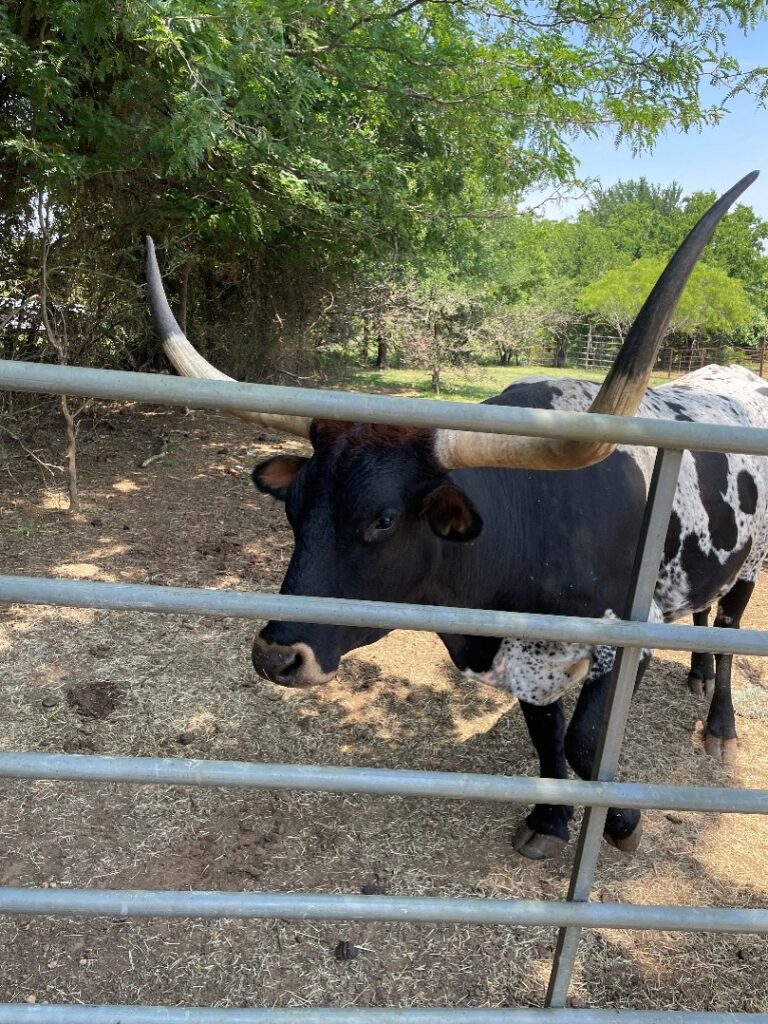
Maintaining a working ranch requires constant attention. Fences are repaired. Pastures are maintained. Water access is monitored. Equipment moves in and out regularly. Feed and supplies are ongoing responsibilities, not occasional tasks.
That work happens quietly, day after day.
Over the years, Bud and I have built a close relationship. I trust him. I rely on his knowledge. And I consider him part of the Wildcat family. Bud has helped me understand this land in ways that no survey or drawing ever could. Walking the property together, listening to his stories, learning where the land changes and how it behaves.
He understands the land in ways that only come from experience.
He knows where water settles after heavy rain.
Where soil holds steady through drought.
How livestock naturally move across pasture.
Where attention is needed before problems develop.
That kind of knowledge is not learned from reports.
It comes from repetition.
From showing up.
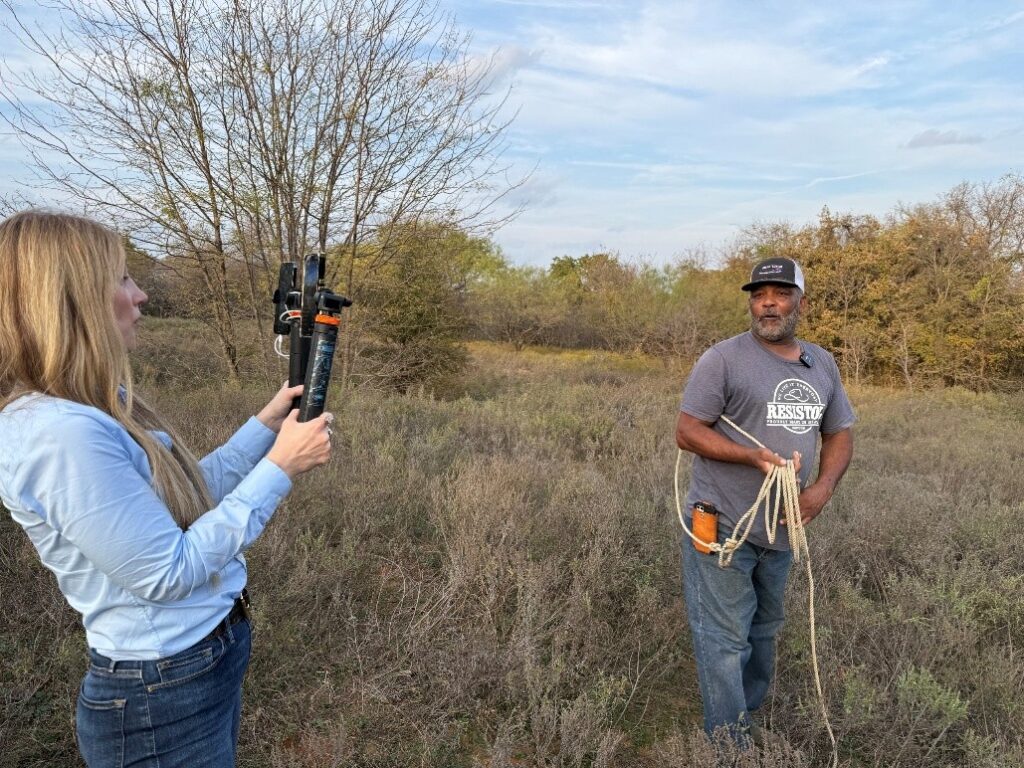
That mindset, learning directly from the land and the people connected to it, started long before Mansfield.
It started in oil and gas.
Years ago, I traveled across Tarrant, Johnson, and Denton Counties assembling mineral leases. That work meant meeting families face to face, walking their land, and listening to the history behind each property.
I learned early that land is not just measured in acreage.
It is measured in trust.
Later, that same philosophy carried into my work in Dallas. At the Farmers Market. In the West End.
Community building has always been part of my life. I grew up in 4-H, where service and responsibility were expected. You showed up. You helped. You learned from the people around you.
That stayed with me.
And it is part of why I feel such a strong connection to this place.
There is something about this land that makes you slow down and pay attention.
The pecan trees stretch across portions of the property like they have always been here, because many of them have. In the fall, families still gather pecans the way neighbors have done for generations.
A creek winds quietly through the property, bordered by mature trees and natural preserve land. Wildlife moves freely through the area. Birds fill the mornings with sound.
Standing here, it feels like you are miles outside the city.
Like you are in the country.
But you are not.
You are within walking distance of historic downtown Mansfield. Nearby schools. Hospitals. Everyday conveniences, yet far enough removed that the land still feels peaceful.
That balance is rare.
And once you experience it, you understand why protecting it matters.
Over the years, maintaining this property has required steady investment in fencing, access, upkeep, and coordination with the people working the land.
Responsibilities repeat year after year.
Often without recognition.
Always necessary.
None of that happens without time.
None of it happens without resources.
And none of it happens without commitment.
The history of this land stretches back even further through the Franklin family homestead, one of the few Black-owned farms and ranches in this area. The original homestead remained on the property until around 2019, with Ms. Franklin living there into her 100th year.
This side of Mansfield carries a complex history.
It was once the segregated side of town. The nearby cemetery reflected that reality. Some graves had markers. Some did not.
Years ago, I contributed funds to help provide proper grave markers and tombstones so families could identify their loved ones and preserve their history.
Because places deserve memory.
And people deserve recognition.
Bud is part of that memory.
He represents a living connection between past and present, someone who continues to care for this land through daily work and responsibility.
His presence has helped keep this property active during years when surrounding areas continued to grow and change.
When I walk the land today, I do not just see open space.
I see years of effort.
Years of maintenance.
Years of responsibility.
Years of learning how to care for something that existed long before me.
I often describe my role here as more of a shepherd than an owner, responsible for guiding something forward without losing what made it special.
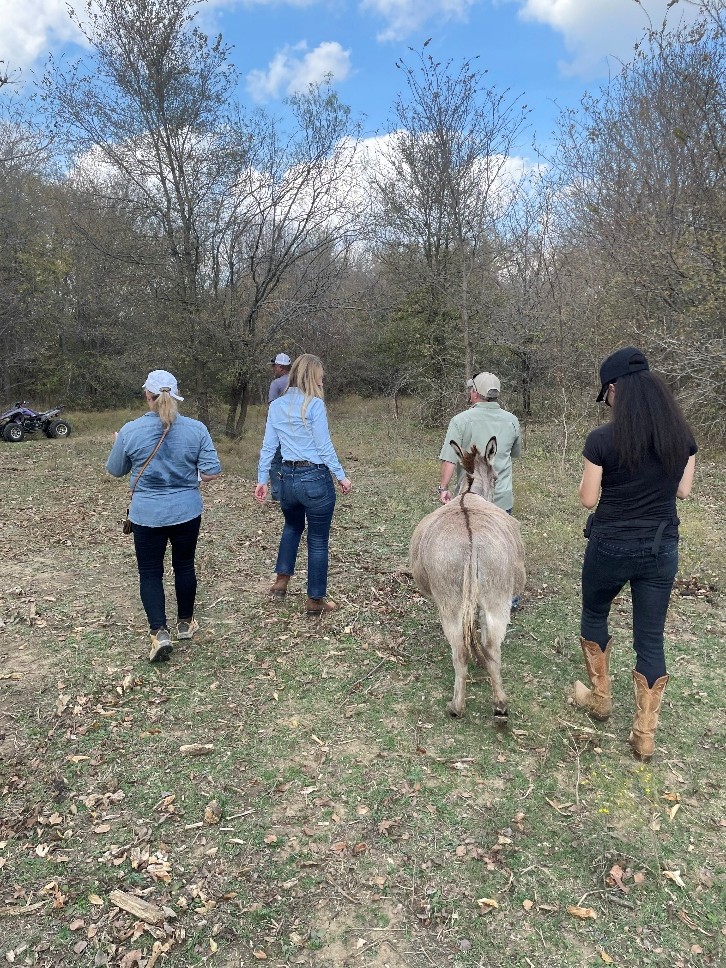
For years, I have continued learning from this land, observing, maintaining, and preparing responsibly for what comes next.
Over time, I have studied how to maintain that natural presence, the mature trees, the creek lines, the wildlife, and the quiet that defines this place.
What makes this place special is not just its location.
It is the trees.
The creek.
The wildlife.
The quiet.
The feeling that you are somewhere peaceful, even while surrounded by a growing city.
That balance is what makes this land feel like home.
And preserving that feeling continues to guide my work here.
Bud is woven into that future just as he is woven into this history.
Because places are defined by people.
And the people who care for land day after day shape what it becomes.
That is part of this story.
And like the relationships described before, it reflects something that takes time to build.
Trust.
Knowledge.
Responsibility.
None of those things happen overnight.
They happen slowly.
Year after year.
By showing up.
NEXT IN THE SERIES
The Mansfield Series — Part 3
Preparing the Ground: Years of Study and Planning