
17 Dec What $12.5M Buys in Downtown Dallas: Inside the Purse Building
On Elm Street, downtown Dallas does not feel like a concept anymore. It feels like a city in motion.
You can see it in the cranes and capital. You can feel it in the pace. Dallas adds more than 700 new residents each day, and the region continues to attract corporate relocations, financial institutions, and investment that keeps expanding the business core. In the middle of that momentum sits a building that does not need hype to hold attention.
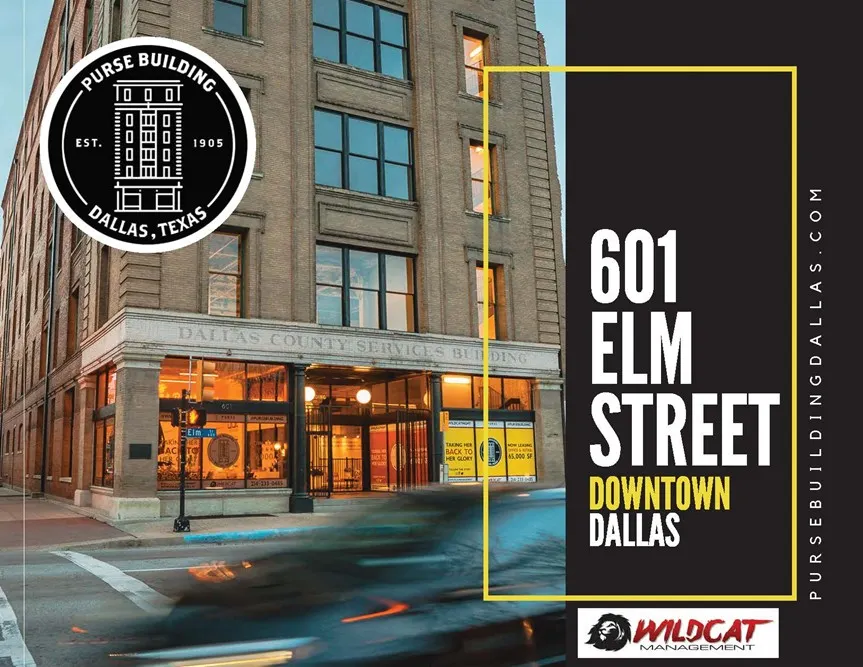
Wildcat Management reintroduced the Purse Building as a corporate headquarters and ownership opportunity in Downtown Dallas, positioning it as a flagship asset for companies and investors who want identity, ownership, and access in a market that keeps moving forward. The six-story, 65,000-square-foot property remains available for sale as Wildcat continues to explore multiple use concepts aligned with downtown growth.
This is what $12.5M can buy in Downtown Dallas, and why it is different from shopping for another suite in someone else’s building.
A leased suite can give you an address, even a great one. It can give you finishes, views, and a lobby you share with companies you do not know. But what it cannot give you is control. The name on the directory is temporary. The rules belong to someone else. The brand presence is borrowed.
Ownership flips that equation. It gives a buyer the ability to control the experience and direction of the asset over time. That is why a building like the Purse Building reads differently to serious buyers, it’s an ownership platform, not a lease substitute. In a market like Dallas, where corporate growth and downtown reinvestment keep accelerating, that control is not a luxury. It is a strategic advantage.
So, what does $12.5M actually buy on Elm Street? Let’s start with the basics.
A simple value snapshot
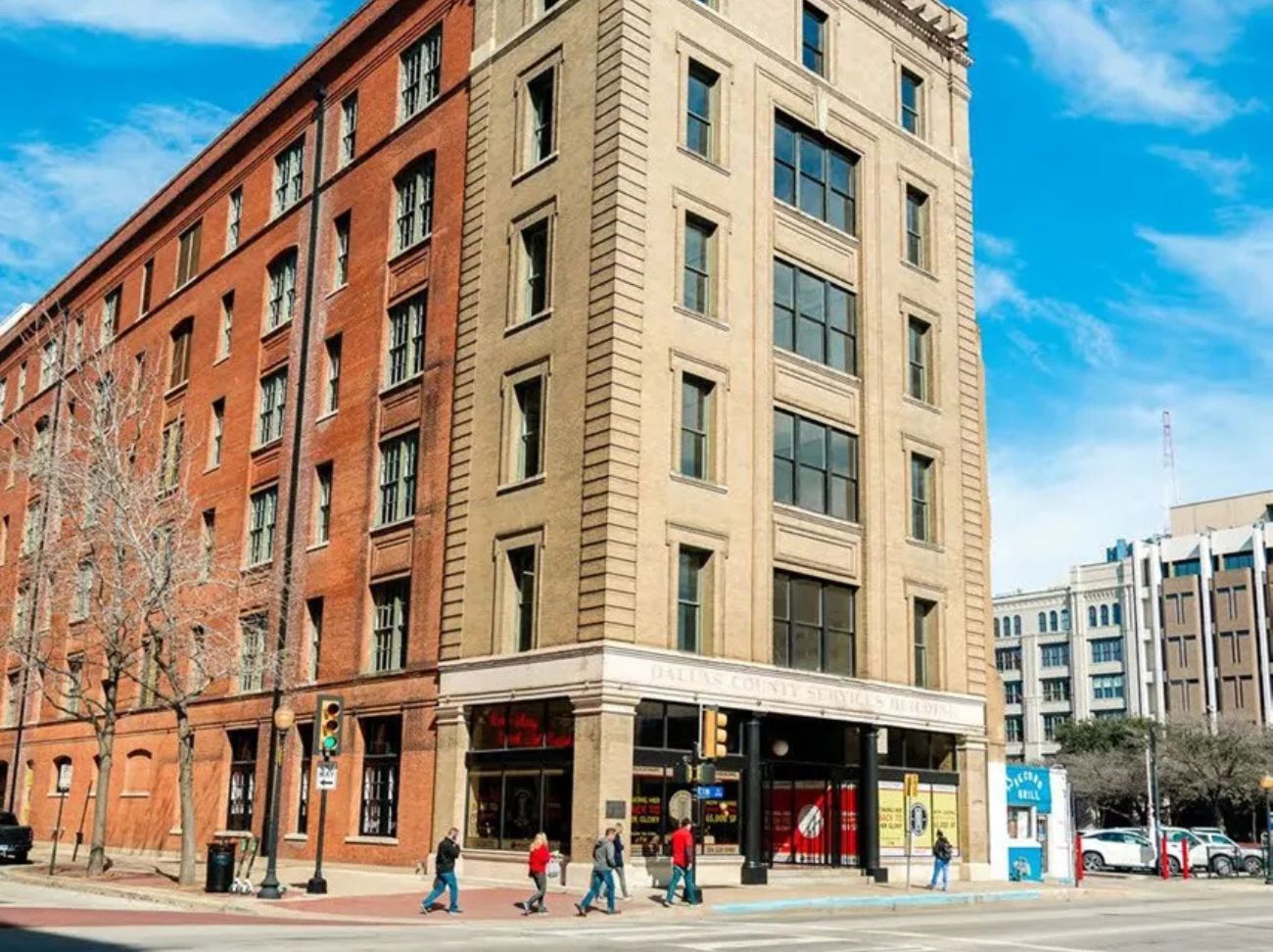
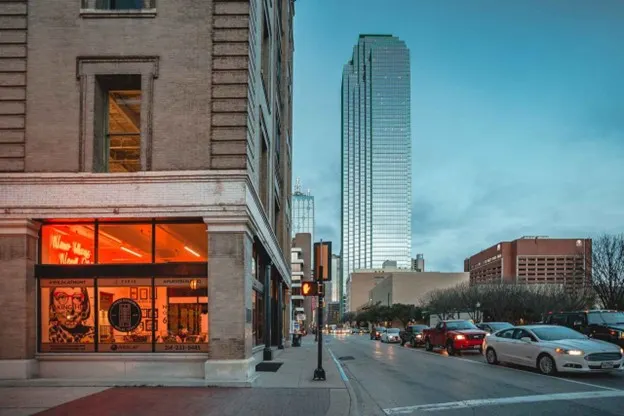
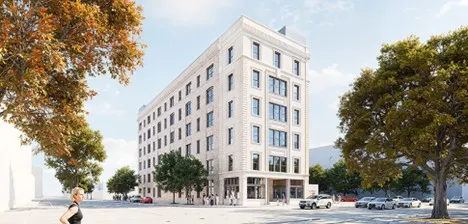
The Purse Building is a six-story, 65,000-square-foot historic property located at 601 Elm Street in Downtown Dallas. Wildcat’s positioning is straightforward: the building offers a rare ownership opportunity with visibility, access, and brand presence near the city’s Government District and expanding business core. It also sits along Elm Street with immediate access to Interstates 30, 35, and 45.
This is not the kind of asset buyers compare using only a rent roll or a flyer. It is a building that people remember after the tour because it reads like a flagship.
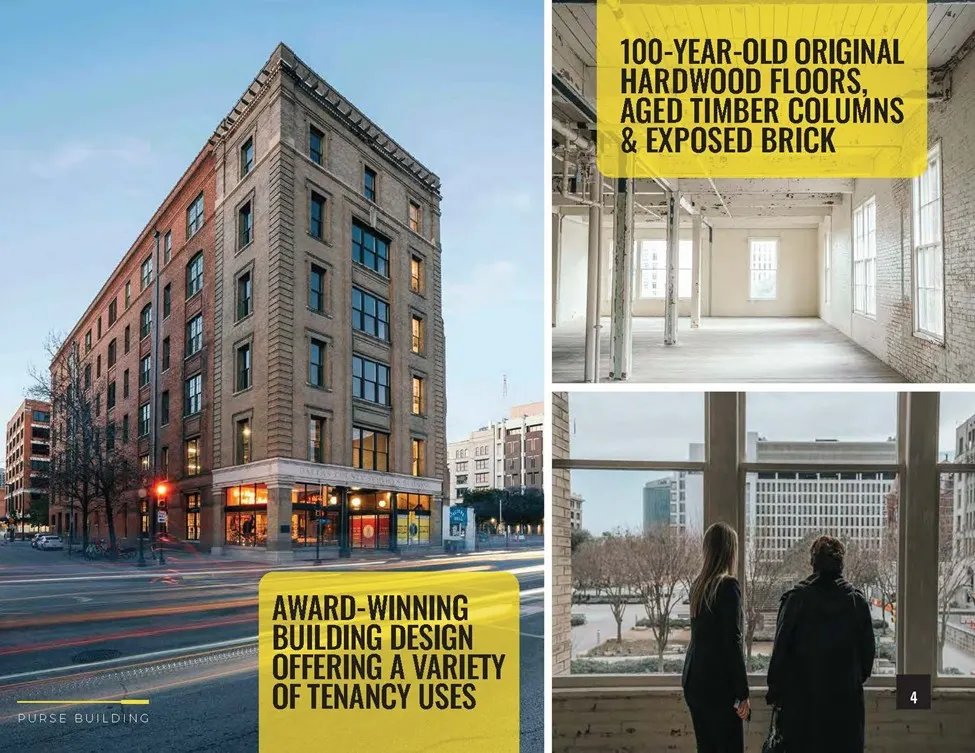
Inside, the property’s large open floor plates, preserved brick interiors, and skyline views support configurations that range from a single-tenant headquarters to hospitality or event use. Wildcat also frames the building with rooftop potential, which matters because it adds another layer of identity to a downtown asset without forcing the buyer into one predetermined plan.
What $12.5M buys, beyond the building
The real purchase is position.
This is a bet on a downtown core attracting investments, not a standalone building in isolation. The next decade of Dallas is being shaped by large, visible catalysts, including the $3.7 billion Kay Bailey Hutchison Convention Center expansion, scheduled to open in 2029, and the planned Texas Stock Exchange headquarters. Those projects concentrate attention, capital, and demand around the urban core in a way that changes how companies think about headquarters location and how investors underwrite long-term value.
That is the thesis behind the headline. At $12.5M, a buyer is buying a flagship presence inside a city that is actively competing for corporate headquarters, finance growth, and global attention. The property is the vehicle. The reinvestment cycle around it is the tailwind.
Three Buyer Paths in Downtown Dallas
Wildcat continues to explore multiple concepts that align with downtown Dallas growth and investment momentum. In practice, buyers tend to evaluate the Purse Building through three paths.
1) Owner-user headquarters
Wildcat has positioned the Purse Building as a flagship headquarters opportunity for companies seeking identity and ownership in the urban core. The combination of large open floor plates with preserved historic interiors, and an Elm Street address supports a single-tenant HQ concept for buyers who want a brandable presence at the center of the city’s expanding business core.
2) Boutique hospitality or private club
Architectural studies by Merriman Anderson Architects outline a plan to transform the 1905 landmark, which Wildcat has described as fully modernized, into a boutique hotel. The concept envisions a 100-key boutique hotel with 10,000 square feet of ground-floor retail, paired with rooftop dining or event space.
This concept direction helps buyers visualize an experience-driven use that can anchor brand identity and draw demand downtown, while keeping multiple paths open.
3) Creative multi-tenant office with ground-floor activation
The Purse Building also supports configurations ranging from single-tenant headquarters to hybrid use. A creative multi-tenant strategy paired with ground-floor activation fits buyers who want flexibility in the use and positioning of the asset, while still benefiting from the building’s visibility, location, and architectural character.
The point is not to force a single outcome. The point is that ownership gives the buyer options, and options matter most in a market that is still climbing.
Practical diligence
The smartest buyers do not fall in love with the story and forget the checklist. They do both.
Wildcat’s approved content direction is practical: early diligence should focus on MEP, elevators, connectivity, access control, and tour readiness, with plain guidance that helps buyers evaluate scope and timing early.
That approach keeps the process clean. It also respects the reality that every adaptive reuse project depends on what diligence reveals, not what marketing hopes.
Incentives that can change the equation
The Purse Building qualifies for Federal (20%) and State (25%) Historic Tax Credits. It also benefits from a 10-year City of Dallas Historic Tax Abatement and inclusion in the City Center TIF District.
For owner-users and investors, those incentives can offset a substantial share of rehabilitation costs, which is one reason historic downtown assets remain compelling even as new construction pushes higher. That incentive stack is part of what can materially change how a project underwrites in a downtown reinvestment cycle.
At $12.5M, the decision is not about buying square footage. It’s about buying control in a downtown core where investment and attention are concentrating, plus optionality in how the asset can be used over time. For qualified projects, available incentives can materially affect overall project economics. To request the investor packet or schedule a tour, contact Wildcat Management.